


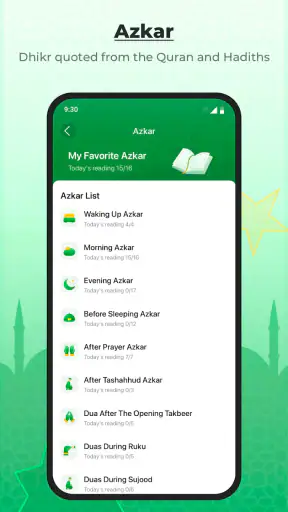
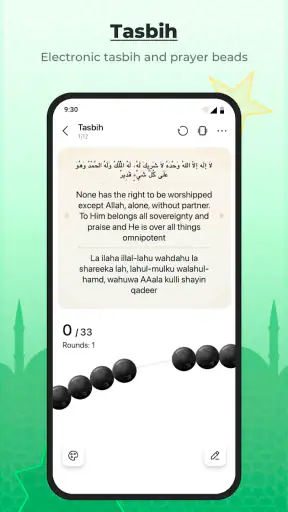
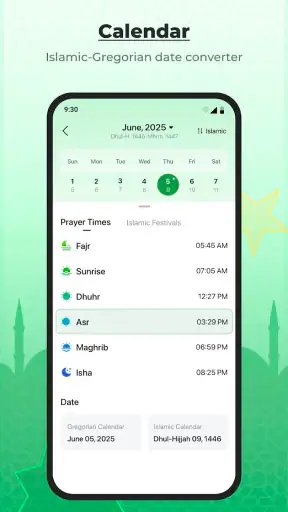
I approached WeMuslim as a practical daily companion rather than as a simple reading app. Its purpose is broad: it brings prayer times, athan reminders, Qibla guidance, and Quran access into one place. That combination makes sense for someone who wants fewer separate tools on a phone, especially when religious routines need to fit around work, study, travel, or family life.
My overall impression is that this is an accessible Muslim lifestyle app with a clear everyday role. It is free, suitable for Everyone, and developed by Metaverse Technology FZ-LLC. The app has reached over five million installs and holds a 4.4 average from around fourteen thousand ratings, which gives it a substantial user base without making popularity the only reason to try it.
How I Would Decide Whether WeMuslim Fits
The first question is not whether the app includes useful religious tools; it does. The better question is whether you want one general-purpose companion or a collection of highly specialized apps. WeMuslim is strongest when convenience matters more than deep customization in every individual feature.
If I were choosing it for daily use, I would consider four things. I would check how comfortable I am with its prayer-time calculations in my location, whether its reminders fit my routine, whether the Qibla tool is practical where I live, and whether I actually prefer reading the Quran inside the same app. Those points matter more than a long feature list because they determine whether the app becomes part of my day or gets ignored after installation.
The app is categorized as Lifestyle, and that feels accurate. It is not trying to be a full learning curriculum, a community platform, or a scholarly reference library. Its value comes from putting several recurring needs close together. For a new user, that reduced setup can be more useful than downloading separate applications and remembering which one handles each task.
There is also a useful distinction between occasional and habitual use. Someone who only needs to check the next prayer while away from home may find the app straightforward. Someone who wants to study detailed interpretations, compare several calculation methods, or build a highly personal religious study system may need a more specialized alternative alongside it.
What I Look For Before Trusting Prayer Reminders
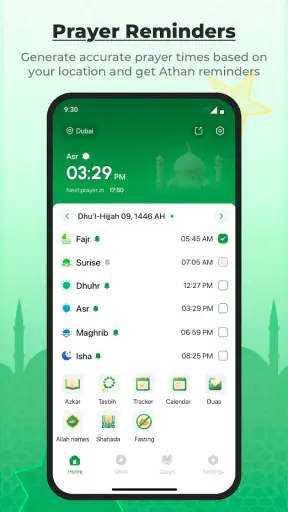
Prayer times are the feature that can make or break the experience. A reminder is only helpful if the displayed time feels appropriate for the user’s location and local practice. I would not install the app and immediately assume that every setting is perfect. I would compare the first day’s schedule with a trusted local timetable or mosque schedule, then adjust the relevant location or calculation choices if the results differ.
That small verification step is especially important when traveling, moving between cities, or using a phone that has not recently provided an accurate location. It is also a good habit for anyone whose local community follows a particular timetable. The app can be convenient, but a phone notification should support personal practice rather than replace local awareness.
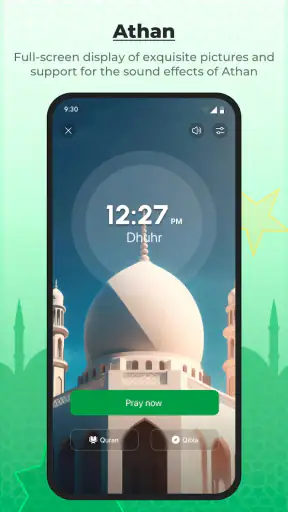
I also recommend treating notifications as part of the setup, not as an afterthought. A person who leaves every alert enabled may find the app intrusive, while someone who disables all notifications may lose its main practical benefit. I would keep the reminders that genuinely help me and silence the ones that do not fit my schedule. That is a more sustainable approach than abandoning the app because it feels noisy.
Why the All-in-One Approach Works
The strongest idea here is the connection between separate moments in a normal day. I might check the next prayer before leaving work, use the Qibla tool in an unfamiliar room, and open the Quran later without switching applications. None of those actions is complicated on its own, but reducing the number of apps involved removes small points of friction.
That matters most in realistic situations. Imagine arriving at a hotel after sunset, with an unfamiliar room and a busy evening ahead. Instead of searching for a prayer timetable, then finding a separate Qibla tool, I can use one familiar app to orient myself and check the relevant time. On another day, I might be commuting and use the app only for a quick schedule check. This flexibility is more convincing to me than any claim that one tool can serve every religious need perfectly.
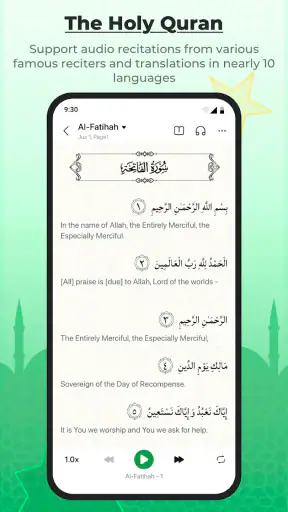
The Quran component gives the app a second rhythm. Prayer reminders are event-based, while Quran reading is self-directed. Keeping both in one application makes it easier to turn a short wait, quiet commute, or evening pause into a reading session. I would not describe that as a replacement for a dedicated Quran study app, but it is a meaningful advantage for readers who want convenient access rather than an extensive research environment.
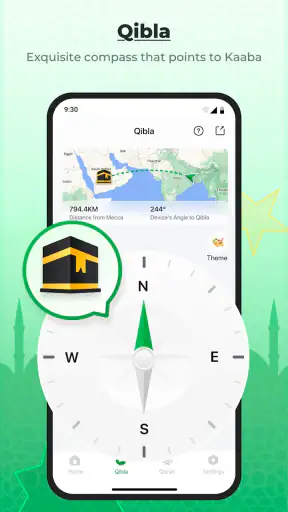
The Qibla tool is similarly valuable because it addresses an occasional problem that many people do not want to solve repeatedly. At home, direction may already be familiar. In a new office, airport, hotel, or rented apartment, a quick reference can be reassuring. I would use it as a practical guide, while remembering that compass-based tools can be affected by the phone’s orientation and surrounding interference. Holding the device steadily and checking the direction sensibly is part of using this type of feature well.
Small Workflows That Make It More Useful
One useful workflow is to prepare before a trip rather than waiting until arrival. I would open the app while connected to a reliable network, review the day’s prayer schedule, and make sure the reminders behave as expected. That gives me a chance to notice an incorrect location or an unwanted notification pattern before I am in an unfamiliar place.
A second workflow is to use the app as a gentle routine anchor. Instead of opening it randomly, I could associate a particular prayer reminder with a short Quran reading session. The app does not need to become a complicated productivity system; its strength is that the transition from schedule to reading is immediate. This is a simple way to give the Quran feature a regular place in the day.
A third insight is that convenience can create overreliance. When one app handles prayer times, direction, and reading, it is tempting to treat it as the sole authority for every situation. I think the better approach is layered: use WeMuslim for quick daily access, while keeping local timetables, personal knowledge, or trusted religious resources in mind when precision or interpretation matters.
These habits also make the app easier to evaluate. After several days, I would know whether the reminders arrive at useful moments, whether the prayer schedule agrees with local expectations, and whether I naturally return to the Quran section. If I only use one feature, that does not necessarily mean the app failed; it may simply show that a more focused tool would suit me better.
Where WeMuslim Wins, and Where Another App May Fit Better
WeMuslim wins on consolidation. The person who dislikes maintaining several religious apps gets a clear reason to try it. Prayer times, athan, Qibla, and Quran access belong to related parts of daily practice, so placing them together feels natural rather than forced.
It also wins for users who want a low-cost starting point. The app is free, so the decision to test it does not require a purchase. That makes it suitable for someone setting up a new phone, a family member looking for basic tools, or a user who wants to explore a combined experience before committing to a more specialized application.
The age rating of Everyone is another sign that the app is positioned for broad household use. I would still make individual choices about notifications and reading habits, but the overall concept is approachable. It does not present itself as a niche utility that requires technical knowledge before it becomes useful.
Its current version is 1.4.1, and the minimum operating system is Android 6.0. For many Android users, that makes the app relatively easy to consider on an older device. I would still judge the experience on the actual phone, because an older operating system can affect how smoothly notifications, location services, and background activity behave.
Where might alternatives fit better? A dedicated prayer-times app may be preferable for someone whose only priority is precise scheduling and extensive timetable controls. A dedicated Quran app may be better for a reader who wants a more specialized reading, bookmarking, or study environment. A standalone compass or Qibla utility may appeal to someone who wants a single-purpose tool with no extra sections.
I am intentionally separating those categories rather than naming a rival and inventing comparisons. The trade-off is straightforward: specialized apps can feel more focused, while WeMuslim reduces the number of applications I need to manage. The right choice depends on whether breadth or depth is more important in my routine.
There is also a fit issue for users who want extensive educational material. WeMuslim’s central appeal is practical access to core tools. If I were looking for lessons, detailed commentary, structured memorization plans, or a broad library of scholarly resources, I would look beyond this app. It can sit beside those resources, but I would not choose it as the only application for serious study.
The Real Cost of Switching
Because WeMuslim is free, the main cost of switching is not financial. It is the time spent rebuilding habits. If I already rely on another app, I would need to compare prayer schedules, recreate notification preferences, and decide whether the Quran experience feels comfortable enough to replace my current reader.
That transition is easiest when I switch gradually. I would keep the existing prayer tool available for a short comparison period, use WeMuslim for the daily schedule, and check whether both agree in my location. Once I am confident that the timing and reminders fit, I could remove the older app or keep it only for a specialized purpose.
There is no reason to switch simply because WeMuslim combines more features. If my current app already handles my needs accurately and I appreciate its focused design, changing may introduce unnecessary friction. The strongest reason to move is convenience: fewer apps, a shared routine, and quick access to the Quran and Qibla tool from the same place.
On the other hand, someone starting from scratch has less to lose. A new user can test the combined workflow without migrating a carefully organized library or abandoning established settings. For that person, the free entry point and broad coverage make WeMuslim a sensible first app to evaluate.
Who I Would Recommend It To
I would recommend WeMuslim to someone who wants a dependable everyday starting point for prayer reminders, athan, Qibla direction, and Quran reading in one lifestyle app. It is especially appealing to people who travel occasionally, use more than one Android device over time, or simply prefer a less cluttered phone.
I would also suggest it to a user who is building a routine rather than searching for an advanced study platform. The app’s value grows when its tools are used together: check the schedule, respond to the reminder, orient yourself when necessary, and open the Quran when you have a quiet moment. That is a practical pattern, not a promise that the app will organize every part of religious life.
I would be more cautious about recommending it as the sole choice for someone who needs highly detailed controls or specialized scholarship resources. In that situation, a focused prayer, Quran, or educational application may be the better primary tool, with WeMuslim retained as a convenient secondary companion.
My final recommendation is positive but measured. WeMuslim is best understood as a convenient daily hub, not an all-purpose replacement for every religious resource. Its free access, broad toolset, approachable design, and substantial user adoption make it worth trying. I would begin by checking the prayer schedule against a trusted local reference, tuning the notifications, and testing whether the Quran and Qibla features fit naturally into my day.
If that workflow feels comfortable, the app can remove a surprising amount of small daily friction. If I need deep specialization, I would not force it to become something it is not. For most users seeking a straightforward combination of prayer support and Quran access, though, WeMuslim offers a sensible balance between convenience and coverage.


